As marijuana becomes increasingly legalized in various regions, many people are turning to home cultivation as a cost-effective and rewarding way to enjoy cannabis. Growing your own marijuana can be a satisfying hobby, and it offers control How to Get Marijuana or Weed in Paris France 2025 over the quality and strain of the plants. While it might seem intimidating at first, growing marijuana at home can be broken down into manageable steps. This beginner’s guide will take you through the essentials, from understanding the basic requirements to harvesting your first crop.
The first thing you need to consider is whether you want to grow marijuana indoors or outdoors. Both methods have their pros and cons. Growing indoors gives you complete control over the environment, including light, temperature, and humidity. This allows for year-round cultivation and the ability to grow in any climate. However, indoor growing requires specific equipment, such as grow lights, ventilation systems, and temperature controls, which can be costly. On the other hand, outdoor growing is more natural and requires less equipment, but it is heavily dependent on your local climate. If you live in an area with a suitable growing season, outdoor cultivation can yield larger plants and a more cost-effective setup. However, it’s important to remember that growing marijuana outdoors often comes with privacy concerns, as plants can become exposed to the public eye.
Once you decide on your growing environment, it’s time to choose the right strain. Different strains of marijuana have varying growing requirements, and it’s important to pick one that fits your growing conditions. There are three main types of marijuana plants: Cannabis sativa, Cannabis indica, and hybrid strains. Sativa plants are known for their tall growth and uplifting effects, while indica plants are shorter and bushier with more relaxing, sedative effects. Hybrids are a mix of both sativa and indica characteristics. Consider factors like your available space, desired effects, and how much experience you have with growing cannabis when selecting a strain. Many beginner growers opt for strains that are hardy, disease-resistant, and have a relatively short growing cycle.
Next, you’ll need to ensure that your plants have the proper environment to thrive. For indoor cultivation, a dedicated grow space like a tent or a small room works best. This allows you to control the light cycle, temperature, and humidity, which are critical to the health of your plants. Marijuana plants typically require 18 hours of light per day during the vegetative stage and 12 hours of light per day during the flowering stage. Temperature should be kept between 65–80°F (18–27°C), and humidity should be between 40–60%. Proper ventilation is also crucial to prevent mold and to provide fresh air to the plants. For outdoor cultivation, ensure your plants receive plenty of sunlight (at least 6–8 hours per day), and plant them in well-drained, nutrient-rich soil.
The next step in growing marijuana is providing the proper nutrients and watering schedules. Marijuana plants are hungry and need the right balance of nutrients to thrive, including nitrogen, phosphorus, and potassium, as well as micronutrients like calcium and magnesium. During the vegetative stage, they require a high level of nitrogen to encourage healthy leaf growth. When transitioning to the flowering stage, reduce nitrogen levels and increase phosphorus and potassium to promote flower development. Be cautious with watering – overwatering can lead to root rot, while underwatering can stunt growth. It’s important to monitor the moisture levels of the soil and water the plants when the top layer of soil feels dry to the touch. Regularly inspect your plants for pests, mold, or nutrient deficiencies, and address issues promptly to ensure a healthy harvest.
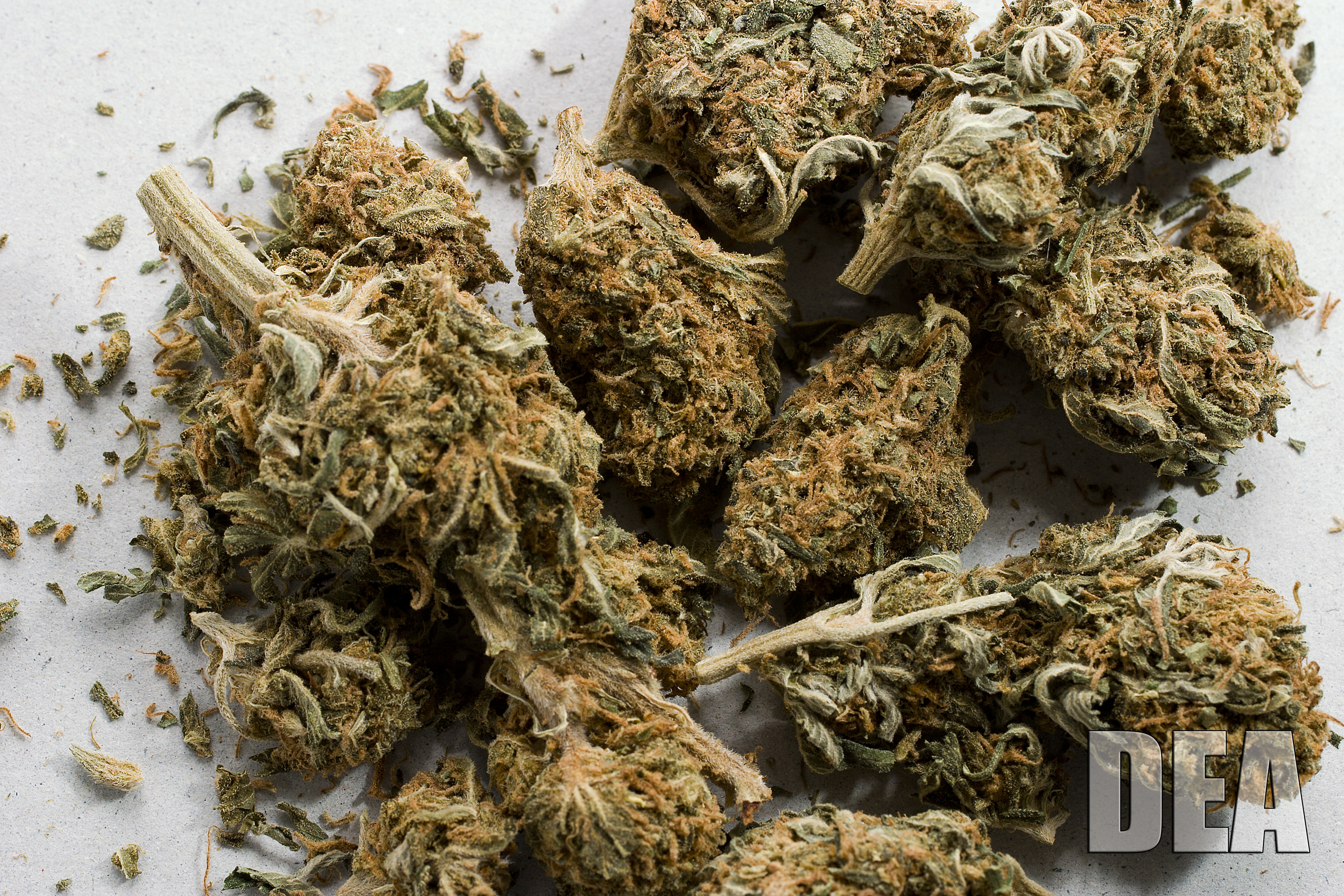
Finally, once your plants reach maturity, it’s time to harvest. The flowering stage typically lasts around 8–12 weeks, depending on the strain. To determine when your plants are ready for harvest, observe the trichomes (tiny, crystal-like structures on the buds). When the trichomes are mostly milky white with a few amber-colored ones, it’s time to harvest. Carefully cut the plants and hang them upside down in a cool, dark place with good airflow to dry them out. Drying typically takes 7–14 days, depending on the humidity and temperature. After drying, the buds must undergo curing, which involves placing them in airtight jars and opening them daily to release excess moisture. Curing can take several weeks, but it enhances the flavor, aroma, and potency of the final product.
In conclusion, growing marijuana at home can be a fulfilling experience, but it requires patience, attention to detail, and an understanding of the plant’s needs. Whether you choose to grow indoors or outdoors, selecting the right strain and maintaining the ideal environment are key to a successful harvest. By following the proper growing techniques, such as controlling light, temperature, humidity, and providing the right nutrients, you can cultivate healthy, high-quality cannabis. With time, you’ll develop the skills necessary to grow your own marijuana and enjoy the benefits of a homegrown crop that is both satisfying and rewarding.