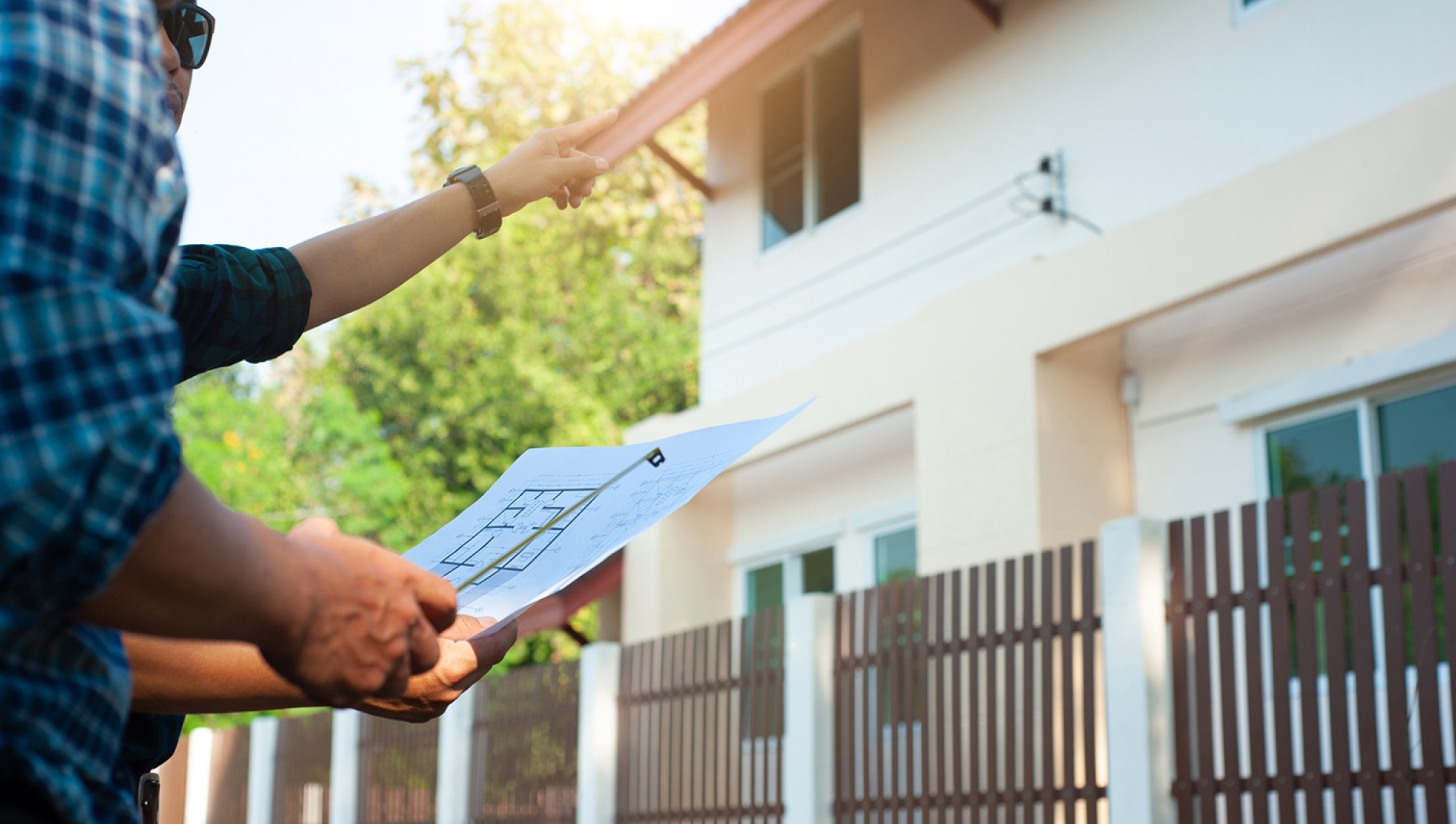
Buying a home is one of the most significant investments you’ll ever make. To ensure that this investment is sound, a home inspection is an essential Home Inspection step in the home-buying process. This article explores what a home inspection entails, why it’s crucial, and what you can expect during the process.
What is a Home Inspection?
A home inspection is a thorough examination of a property’s condition conducted by a professional inspector. The goal is to identify any existing or potential issues that could affect the safety, functionality, and value of the home. Inspectors assess various aspects of the property, including the structure, systems, and overall condition.
The importance of a Home Inspection
Uncover Hidden Issues: A home inspection helps uncover problems that might not be visible during a casual walkthrough. Issues such as hidden water damage, faulty wiring, or structural concerns can be identified early, potentially saving you from costly repairs in the future.
Negotiation Tool: The findings from a home inspection can be used as leverage in negotiations with the seller. If significant issues are discovered, you may be able to negotiate a lower purchase price or request that the seller make necessary repairs before finalizing the deal.
Peace of mind: Knowing the condition of the home provides peace of mind, ensuring that you are making an informed decision. A thorough inspection helps you understand what you’re getting into and prepares you for any necessary repairs or maintenance.
What Does a home Inspection Include?
A comprehensive home inspection typically covers the following areas:
Structural Components: This includes the foundation, walls, ceilings, and roof. Inspectors look for signs of structural damage, cracks, and other issues that could affect the stability of the home.
Roofing: The condition of the roof is assessed, including the shingles, flashing, gutters, and downspouts. Inspectors check for signs of wear and tear, leaks, and proper installation.
Plumbing: The plumbing system is examined for leaks, water pressure, and the condition of pipes and fixtures. Inspectors also check the water heater and ensure that the drainage system is functioning properly.
Electrical System: The electrical system is inspected to ensure it meets safety standards. Inspectors check the wiring, outlets, circuit breakers, and electrical panels to identify any potential hazards or code violations.
HVAC Systems: The heating, ventilation, and air conditioning systems are assessed for proper functioning and maintenance. Inspectors check for any issues with the furnace, air conditioner, and ductwork.
Interior and Exterior Conditions: The overall condition of interior and exterior surfaces is evaluated. This includes checking for signs of mold, water damage, and the condition of paint, flooring, and windows.
The home Inspection Process
Choosing an Inspector: Select a qualified and experienced home inspector. Look for certifications and reviews to ensure you’re hiring a reputable professional.
Scheduling the Inspection: The inspection should be scheduled after the offer has been accepted but before the final closing. This allows time for any issues to be addressed.
The Inspection Day: Attend the inspection if possible. This allows you to ask questions and gain a better understanding of the inspector’s findings.
Receiving the Report: After the inspection, you’ll receive a detailed report outlining the inspector’s findings. The report will include descriptions of any issues, photographs, and recommendations for repairs or further evaluation.
Next Steps: Review the report carefully and discuss any concerns with your real estate agent. Decide whether to proceed with the purchase, negotiate repairs, or request a price reduction based on the inspection results.
Conclusion
A home inspection is a crucial step in the home-buying process that can save you from unexpected problems and provide valuable insights into the property’s condition. By understanding what to expect and how to prepare, you can make informed decisions and ensure a smooth transition into your new home.