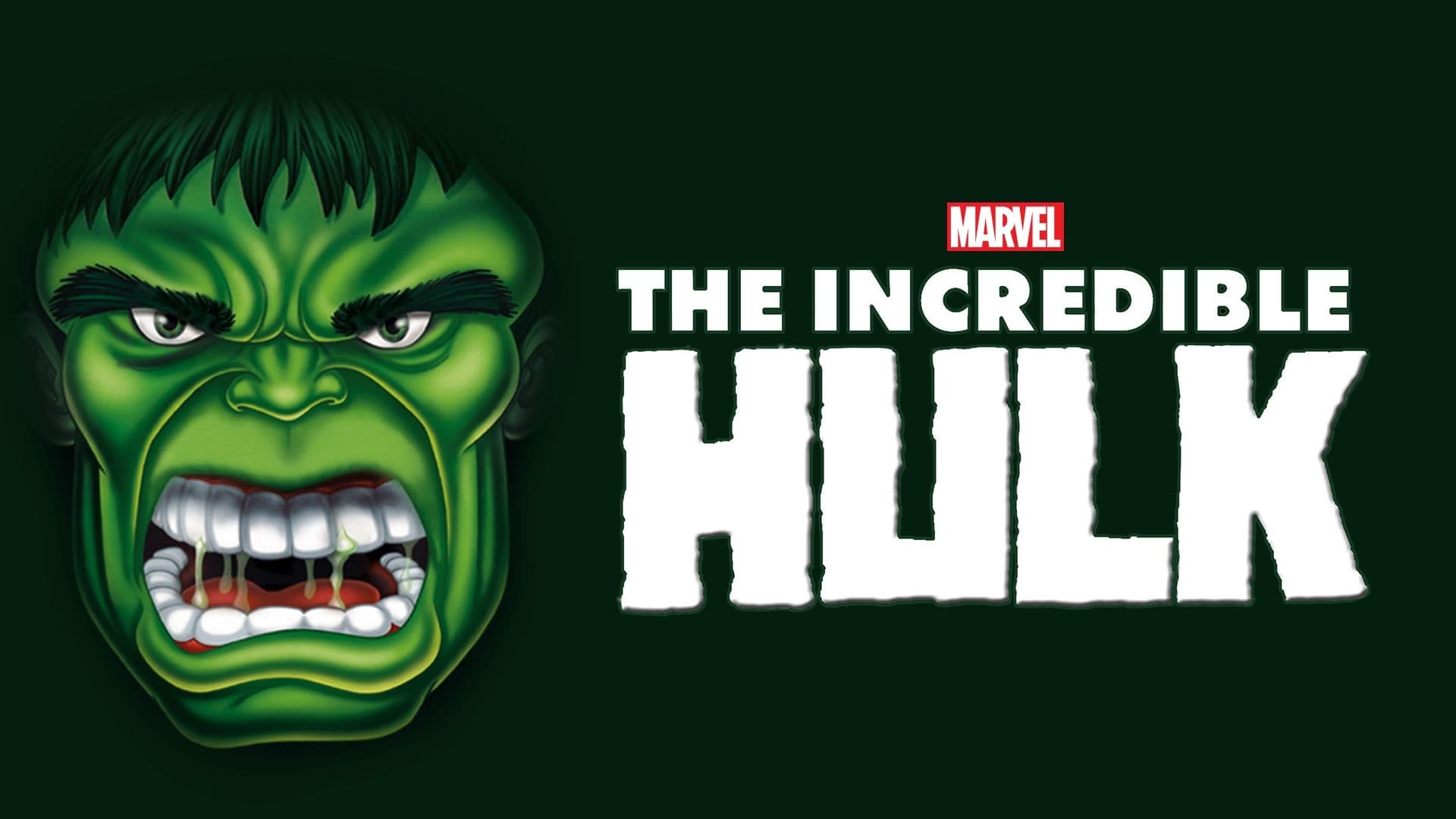
Decades before Marvel Studios launched a cinematic empire with Iron Man and the Avengers, The Incredible Hulk TV series broke new ground by bringing a Marvel Hulk TV character to mainstream television. Premiering in 1978, the show marked one of Marvel’s earliest successful live-action adaptations and paved the way for superhero storytelling on screen. It didn’t have high-tech suits, multiverses, or billion-dollar budgets—but what it did have was emotional depth, strong performances, and a surprisingly grounded take on a comic book hero. In a pre-MCU world, this was Marvel’s first real cultural breakthrough.
The series centered on Dr. David Banner (played by Bill Bixby), a scientist haunted by the accidental death of his wife and obsessed with discovering the hidden strength humans can exhibit under stress. An experiment with gamma radiation backfires, turning him into the Hulk (played by Lou Ferrigno) whenever he loses control of his emotions. Each episode followed Banner as he drifted from town to town, helping strangers while hiding his identity, always pursued by a dogged reporter and his own inner demons. It was less superhero spectacle and more serialized tragedy—with just enough action to keep fans coming back.
What made The Incredible Hulk so impactful was its emotional realism. While it drew inspiration from the comics, it wasn’t beholden to their sometimes fantastical tone. Instead, it was inspired as much by shows like the Fugitive as it was by superhero lore. There were no spandex suits or capes—Banner wore jeans and flannel, and the Hulk was simply a painted, enraged man. This grounded approach allowed the series to tackle real-world issues like grief, addiction, domestic violence, and social injustice. It brought a seriousness and sincerity to superhero storytelling that was virtually unheard of at the time.
Despite working within the limitations of late 1970s special effects, the show managed to make a strong visual impression. The transformation scenes—while modest by today’s standards—were suspenseful and memorable, often accompanied by dramatic music and creative camera work. Lou Ferrigno’s physical performance gave the Hulk a tangible, imposing presence that resonated with viewers. Combined with Bill Bixby’s earnest, deeply human portrayal of David Banner, the series struck a rare balance between drama and genre fiction, elevating it beyond a mere comic book adaptation.
The Incredible Hulk ran for five seasons and spawned several made-for-TV movies, including crossover appearances with other Marvel characters like Thor and Daredevil. While those crossovers were clunky by modern standards, they were early experiments in building a shared universe—decades before Marvel perfected the formula. These specials kept the Hulk’s legacy alive through the ’80s and early ’90s, and helped keep Marvel’s name in the public consciousness during a time when the company was still struggling to break through in Hollywood.
Today, The Incredible Hulk may seem dated, especially when compared to the CGI-enhanced spectacles of the MCU. But its importance shouldn’t be underestimated. It proved that Marvel characters could work on screen, that comic book heroes had emotional and narrative depth, and that audiences were ready to take them seriously. Without the foundation laid by this humble Tv show, the road to Tony Stark, Wakanda, and the multiverse might have looked very different. The Incredible Hulk didn’t just smash things—it quietly built the bridge between comics and the screen.