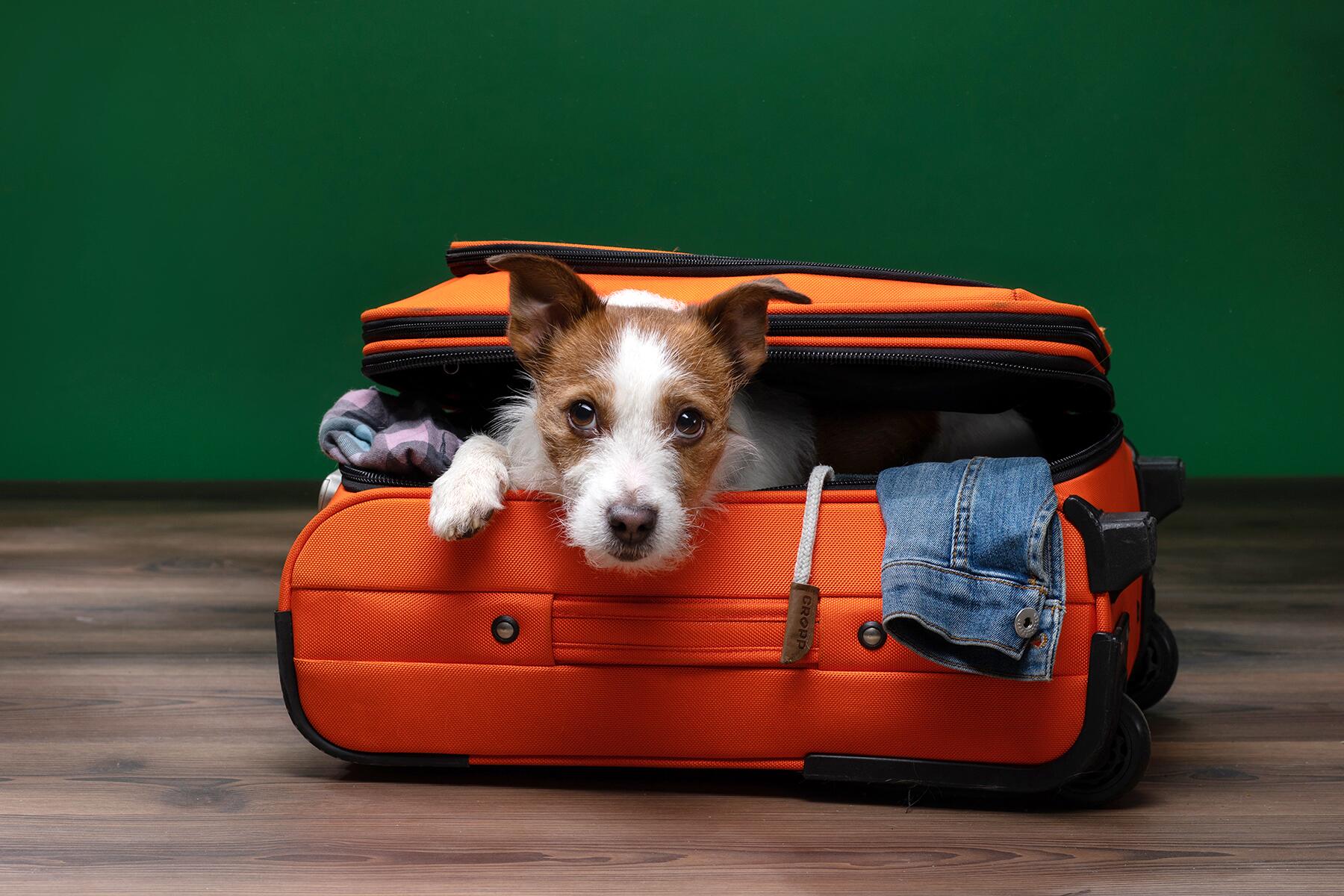
Flying with your pet can be a daunting experience, especially if it’s your first time. From airline regulations and crate requirements to managing anxiety and 寵物移民手續 ensuring safety, there’s a lot to think about before takeoff. But with the right preparation, air travel with your pet doesn’t have to be stressful—for you or for them. Whether you’re flying domestically or internationally, this guide offers key tips to help you navigate the skies with Fido by your side.
- Know the Airline Rules Before Booking
Not all airlines are created equal when it comes to pet travel. Some allow small pets in the cabin, while others may only permit them in cargo. Each airline has specific policies on crate dimensions, pet breeds, documentation, and fees. Before booking your ticket, check the airline’s pet policy thoroughly. Pay special attention to rules for service animals, emotional support animals (as many carriers have changed their policies), and international requirements. Booking a direct flight is highly recommended to minimize stress and risk during transfers. - Visit the Vet and get Documentation Ready
Schedule a veterinary appointment well in advance of your trip. Your pet should be healthy enough to fly and up-to-date on vaccinations. Many airlines and countries require a health certificate issued within 7–10 days of travel. If you’re flying internationally, research the destination’s import laws—some countries require microchipping, rabies titers, and quarantine periods. It’s also wise to discuss your pet’s anxiety level with the vet—some may benefit from calming supplements or mild sedatives (though many airlines discourage or ban sedation). - Choose the right Carrier or Crate
Your pet’s crate or carrier plays a major role in their comfort and safety. For in-cabin travel, the carrier must meet the airline’s size requirements and fit under the seat in front of you. It should be well-ventilated, secure, and comfortable—line it with an absorbent pad and a familiar blanket or toy. For cargo travel, the crate must be IATA-compliant, large enough for the pet to stand, turn, and lie down, and should be labeled with your contact information and “Live Animal” stickers. Always acclimate your pet to the crate weeks before the trip to reduce stress. - Prep Before Departure Day
A smooth flight starts with thoughtful preparation. The day before flying, give your pet plenty of exercise and avoid overfeeding. On the travel day, feed them a small meal a few hours before the flight, and limit water slightly to avoid mid-flight accidents. Arrive at the airport early to allow time for check-in and pet inspections. Most airports have designated pet relief areas—locate them in advance. Keep calm during security checks, as pets can pick up on your anxiety, and be sure to bring travel essentials like waste bags, treats, collapsible bowls, and a leash. - In-Flight Tips: Keep Pets Calm and Safe
If your pet is flying in-cabin, try to keep the carrier under the seat and avoid disturbing them during the flight. Speak softly or offer a treat if they get anxious, but try not to open the carrier unless absolutely necessary. For pets in cargo, it’s out of your hands once they’re checked in—but choosing a reputable airline with strong pet safety protocols goes a long way. Avoid flying in extremely hot or cold weather, and always confirm that the cargo area is climate-controlled. Tracking devices (attached to the crate or collar) can provide peace of mind for longer flights. - After Landing: Recovery and Care
Once you’ve arrived, allow your pet time to adjust. Offer them water immediately, followed by food and a bathroom break. Monitor for signs of stress or dehydration, especially if the journey was long. Some pets bounce back quickly, while others may take a day or two to feel normal again. Establish a familiar routine at your destination as soon as possible. If you’re traveling internationally, be prepared to show documents at customs, and watch for quarantine signs if required. With love, patience, and preparation, your pet will soon feel at home—wherever in the world you land.
Final Thought:
Flying with your pet doesn’t have to be a nerve-wracking ordeal. By staying informed, well-prepared, and focused on your pet’s comfort and safety, you can ensure that both you and your furry travel companion enjoy a smooth journey from gate to gate.