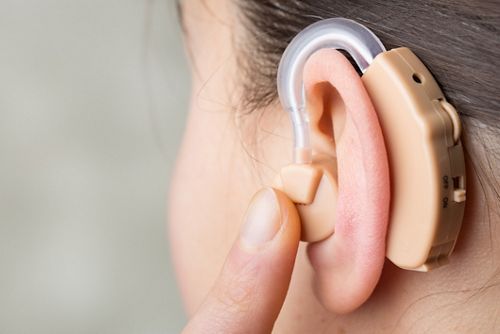
In the intricate tapestry of human experience, our sense of hearing serves as a gateway to a world of rich, diverse sounds. From the melodious Hearing Loss strains of music to the soft whispers of conversation, our ability to hear shapes how we connect with others and perceive the world around us. However, amidst the hustle and bustle of daily life, the significance of hearing care is often overlooked. In this article, we explore why hearing care matters and how prioritizing our auditory health can enhance our overall well-being.
The Soundscape of Life:
Sound is woven into the fabric of our existence, enriching our experiences and evoking a myriad of emotions. The laughter of friends, the chirping of birds, the soothing rhythm of rainfall – these auditory sensations color our days and create lasting memories. Our ability to hear allows us to fully immerse ourselves in the symphony of life, connecting us to the beauty and wonder of the world.
The Impact of Hearing Loss:
When our hearing is impaired, the harmony of everyday life is disrupted. Hearing loss can range from mild to profound, affecting our ability to communicate, socialize, and engage with our surroundings. Beyond the practical challenges, untreated hearing loss can take a toll on our mental and emotional well-being, leading to feelings of isolation, frustration, and diminished self-confidence.
Why Hearing Care Matters:
Preserving Connection: Hearing care is essential for maintaining meaningful connections with others. By addressing hearing concerns and seeking appropriate interventions, we can nurture our relationships and continue to participate fully in conversations and social activities.
Enhancing Quality of life: Our ability to hear enriches our experiences and enhances our quality of life. By prioritizing hearing care, we can enjoy the full spectrum of auditory sensations, from the subtle nuances of music to the comforting sounds of nature, and everything in between.
Protecting Cognitive Health: Research has shown that hearing loss may be linked to cognitive decline and an increased risk of dementia. By proactively managing our auditory health, we can potentially reduce these risks and maintain cognitive function as we age.
Promoting Safety and Awareness: Our ability to hear plays a crucial role in our safety and awareness of our surroundings. By safeguarding our hearing through protective measures and regular evaluations, we can stay alert to potential hazards and respond effectively in emergency situations.
Strategies for Hearing Care:
Regular Hearing Assessments: Schedule periodic hearing evaluations with a qualified audiologist to monitor your auditory health and detect any changes early on.
Noise Protection: Take steps to protect your ears from excessive noise exposure, such as wearing earplugs or earmuffs in noisy environments and lowering the volume when using headphones or attending loud events.
Healthy Habits: Practice good ear hygiene by keeping your ears clean and dry, avoiding the use of cotton swabs or other objects to clean inside your ears, and seeking medical attention for any persistent ear discomfort or hearing issues.
Education and Advocacy: Stay informed about hearing care best practices and advocate for the importance of auditory health in your community. Encourage others to prioritize their hearing and seek appropriate care when needed.
Conclusion:
In conclusion, hearing care is a cornerstone of overall health and well-being, deserving of our attention and proactive efforts. By prioritizing our auditory health, we can preserve the symphony of sound that enriches our lives and unlock a world of vibrant, meaningful experiences. Let us embrace the importance of hearing care and embark on a journey of auditory wellness that resonates with vitality, connection, and joy.