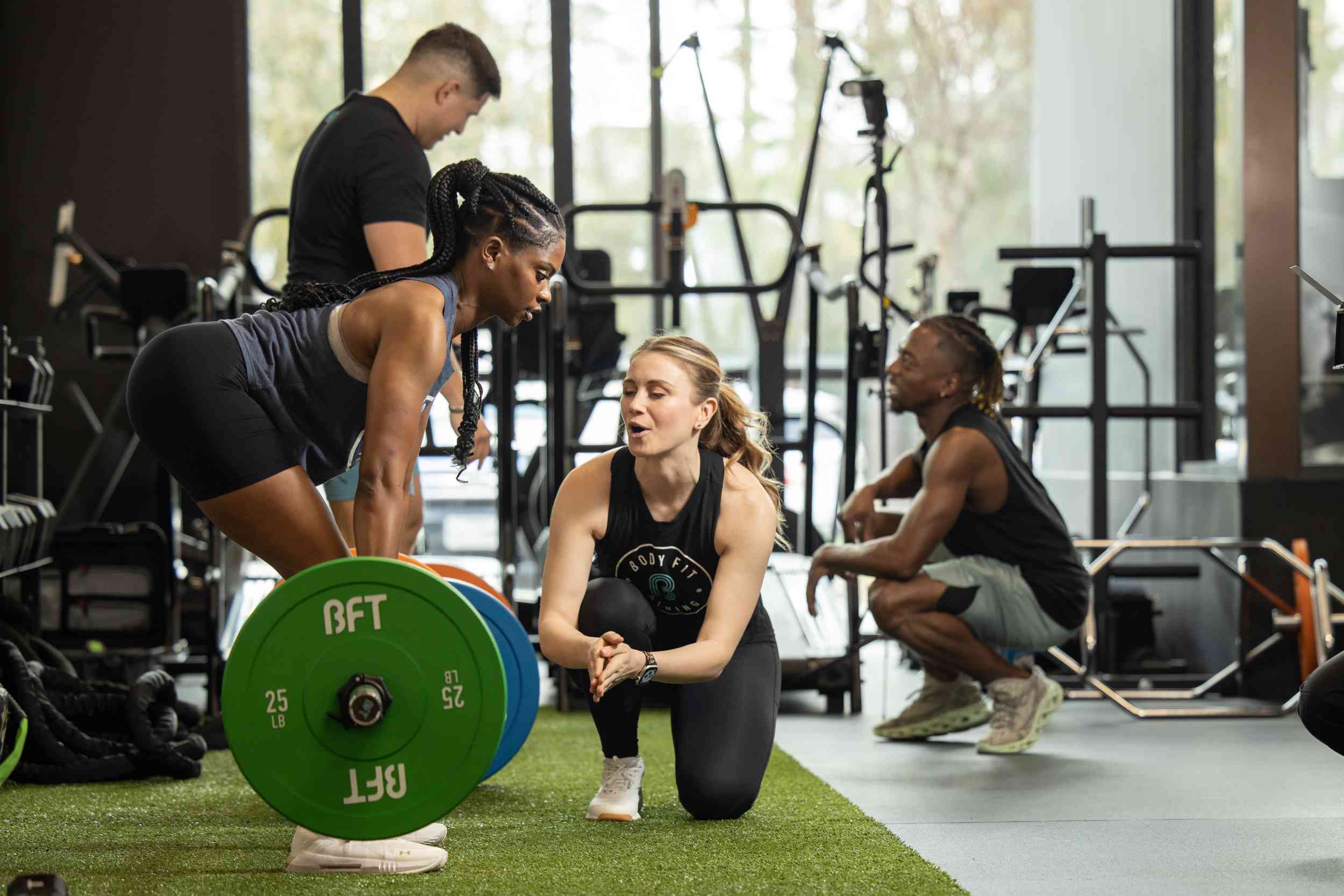
Achieving your fitness goals isn’t just about hitting the gym or following a workout routine—nutrition plays a crucial role in how effectively your body performs and recovers. What you eat before, during, and after your workouts can have a significant impact on your energy levels, endurance, muscle recovery, and overall progress. A well-balanced approach to fueling your body ensures that you’re not only maximizing your workout performance but Dexa scan near me also supporting your long-term fitness and health goals. This article will explore the importance of nutrition in fitness and provide tips on how to fuel your workouts for better results.
- Pre-Workout Nutrition: Preparing Your body for Exercise
What you eat before your workout sets the tone for your performance. Proper pre-workout nutrition provides the energy your body needs to power through intense training sessions and helps prevent early fatigue. Ideally, you should eat a balanced meal containing a combination of carbohydrates and protein about 2-3 hours before exercising. Carbohydrates are your body’s primary energy source and help fuel muscles during exercise, while protein aids in muscle repair and growth. For example, a pre-workout meal might include a serving of whole grains (such as oatmeal or brown rice) with lean protein (like chicken or tofu) and vegetables.
If you’re short on time or working out early in the morning, a smaller snack 30-60 minutes before exercise can still provide a boost. Opt for easily digestible options like a banana with peanut butter, yogurt with fruit, or a protein smoothie. These quick snacks provide energy without weighing you down, helping you perform at your best.
- Hydration: The key to Endurance and Recovery
Staying hydrated is just as important as the food you consume. Proper hydration helps regulate your body temperature, lubricates your joints, and keeps your muscles functioning properly. Even mild dehydration can negatively impact your endurance and concentration during workouts. To avoid dehydration, drink water throughout the day and aim to consume 16-20 ounces of water about two hours before exercising. During your workout, continue hydrating by drinking small amounts of water every 15-20 minutes, especially during high-intensity sessions or in hot climates.
For workouts longer than an hour, consider replenishing electrolytes lost through sweat by drinking a sports drink or coconut water. These beverages provide essential minerals like sodium, potassium, and magnesium, which help maintain the body’s fluid balance and prevent cramping. Remember, proper hydration not only improves workout performance but also aids in recovery.
- Intra-Workout Nutrition: Fueling Longer Workouts
For shorter workouts (under 60 minutes), pre- and post-workout nutrition typically covers your needs. However, if you’re engaging in longer or more intense activities such as marathon training, cycling, or weightlifting sessions lasting over an hour, you may benefit from intra-workout nutrition. Consuming small amounts of fast-digesting carbohydrates, such as energy gels, sports drinks, or a piece of fruit, can help sustain your energy levels and delay fatigue. Some athletes also consume branched-chain amino acids (BCAAs) during longer workouts to prevent muscle breakdown and support endurance.
The goal of intra-workout nutrition is to provide a steady energy source that can be easily absorbed, keeping your muscles fueled and ready to perform at a high level throughout extended physical activity.
- Post-Workout Nutrition: Supporting Recovery and Muscle Growth
After your workout, the focus shifts to recovery. The period immediately following exercise is crucial for replenishing energy stores, repairing muscle tissue, and reducing muscle soreness. Consuming a meal or snack within 30-60 minutes after your workout helps kickstart the recovery process. This post-workout meal should include a combination of protein and carbohydrates to restore glycogen levels and promote muscle repair.
A classic post-workout option might be a grilled chicken breast with sweet potatoes or a protein shake with a banana and some oats. Whey protein, in particular, is fast-digesting and ideal for supporting muscle recovery, though plant-based protein options like pea or rice protein are also effective. Carbohydrates are equally important after exercise, as they help replenish the glycogen stores depleted during your workout. The ratio of carbs to protein can vary based on your goals, but a general guideline is a 3: 1 or 4: 1 carbohydrate-to-protein ratio for optimal recovery.
- The importance of Overall Diet and Consistency
While pre-, intra-, and post-workout nutrition are key to improving performance and recovery, your overall diet plays the most critical role in supporting your fitness journey. A consistent, balanced diet rich in whole foods provides the nutrients your body needs to function optimally. Focus on eating a variety of nutrient-dense foods, including lean proteins, complex carbohydrates, healthy fats, and plenty of fruits and vegetables. The right balance of macronutrients (proteins, fats, and carbs) and micronutrients (vitamins and minerals) will support your energy levels, muscle growth, and overall well-being.
It’s also important to maintain consistency in your eating habits. Fad diets or extreme calorie restrictions can lead to nutrient deficiencies, reduced energy levels, and impaired recovery, ultimately hindering your fitness progress. Instead, aim for sustainable, long-term changes to your diet that align with your fitness goals. Prioritize whole, minimally processed foods and tailor your nutrition plan to meet your individual needs, whether your goal is fat loss, muscle gain, or performance enhancement.
In conclusion, proper nutrition is a vital component of any successful fitness journey. By fueling your body with the right nutrients before, during, and after exercise, you’ll optimize your performance, enhance recovery, and achieve better results in the long run. Combining smart nutrition strategies with a balanced workout routine will help you reach your fitness goals and maintain a healthy, active lifestyle.